



How to Create Website Mockups People Actually Love
Learn how to create website mockups that bridge the gap between idea and reality. Our guide covers tools, principles, and developer handoff.
Build beautiful websites like these in minutes
Use Alpha to create, publish, and manage a fully functional website with ease.
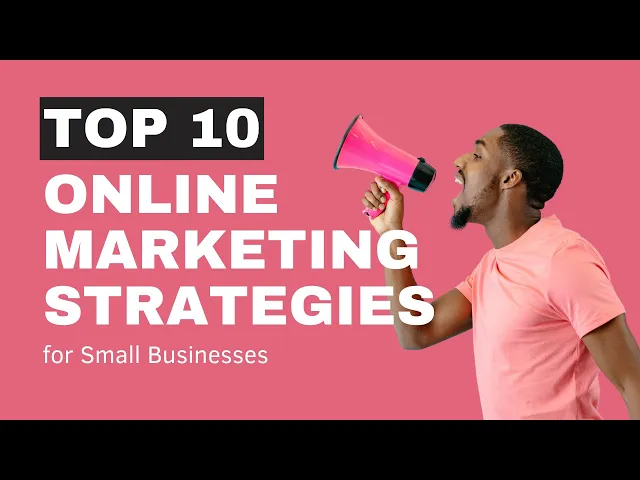
In the crowded digital marketplace, having a great product or service is only half the battle. Small businesses need a robust, multi-channel approach to capture attention, build trust, and drive sales. This guide cuts through the noise, offering a comprehensive toolkit of proven and potent small business online marketing strategies designed for maximum impact with limited resources. We move beyond generic advice to provide actionable checklists, budget-friendly tools, and practical examples you can implement immediately.
This is not a theoretical overview; it's a practical playbook. We will break down essential channels, from dominating local search results with Google Business Profile optimization to building a loyal community through targeted content and email marketing. Each strategy presented is a critical building block for sustainable growth, designed to work in concert to create a powerful marketing engine for your business.
We will explore how to master:
Search Engine Optimization (SEO) to attract organic traffic.
Content Marketing to build authority and engage your audience.
Social Media Marketing to connect with customers where they spend their time.
Email Marketing to nurture leads and drive repeat business.
And for those looking to accelerate their efforts, we'll highlight how an AI-powered website builder like Alpha can streamline execution. From one-click SEO optimization and instant landing page creation to seamless form capture and mobile-first design, modern tools can put these powerful strategies within easy reach, even for a team of one. Let's dive into the tactics that will unlock your business's growth potential.
1. Search Engine Optimization (SEO)
Search Engine Optimization (SEO) is the non-negotiable foundation of modern digital marketing. It's the strategic process of enhancing your website to rank higher in search engine results for keywords your ideal customers are using. Unlike paid ads, SEO builds long-term, organic traffic, making it one of the most cost-effective and sustainable small business online marketing strategies. For any small business aiming for online visibility, understanding the fundamental search engine optimization basics is the starting point for digital success.

Think of it this way: a local bakery that ranks on the first page for "best birthday cakes in [City Name]" will consistently attract new customers without spending a dime on ads for that click. This digital foot traffic translates directly into real-world revenue and brand authority.
How to Implement SEO Effectively
To get started, focus on a few high-impact areas rather than trying to do everything at once. This approach ensures you make meaningful progress.
Focus on Niche Keywords: Instead of broad, competitive terms like "marketing agency," target long-tail keywords like "SEO services for dentists in Austin." These are less competitive and attract highly qualified leads. You can learn more about how to strategically add keywords to your website.
Create Value-Driven Content: Write blog posts, guides, or FAQs that directly answer your customers' most pressing questions. A plumber could write an article on "How to fix a leaky faucet," establishing expertise and attracting relevant search traffic.
Optimize Your Technical Health: Your website must be fast, secure (HTTPS), and mobile-friendly. Tools like Google's PageSpeed Insights can help you identify and fix technical issues that hurt your rankings.
Build Local Authority: For brick-and-mortar businesses, creating and optimizing a Google Business Profile is crucial. Consistently gather positive reviews and ensure your business name, address, and phone number (NAP) are consistent across all online directories.
Key Insight: SEO is not a one-time task but an ongoing process. Consistent effort in creating quality content and improving your site's technical performance will compound over time, delivering an incredible return on investment.
2. Content Marketing
Content marketing is the strategic practice of creating and distributing valuable, relevant, and consistent content to attract and retain a clearly defined audience. Unlike direct advertising, it focuses on providing utility and building relationships, positioning your business as a trusted authority rather than just a seller. This approach is a cornerstone of effective small business online marketing strategies because it nurtures customer loyalty and generates organic interest over the long term.
Think of a local accounting firm that consistently publishes blog posts on "tax-saving tips for freelancers" or "understanding quarterly estimated taxes." Instead of just advertising its services, it provides genuine help, attracting potential clients who are actively seeking financial guidance. This value-first approach builds trust, making the firm the obvious choice when those readers need professional accounting services.
How to Implement Content Marketing Effectively
A successful content strategy is built on consistency and a deep understanding of your audience's needs. Focus on quality over quantity to make a lasting impact.
Solve Customer Problems: Center your content around the biggest challenges and questions your ideal customers face. A software company could create a series of video tutorials, while a local gym could develop downloadable workout plans.
Create a Content Calendar: Plan your content in advance to ensure a consistent publishing schedule. This simple organizational tool helps you stay on track, cover a variety of relevant topics, and align your content with business goals or seasonal promotions.
Repurpose Content for Maximum Reach: Don't let great content live in only one place. Turn a detailed blog post into a shareable infographic, a series of social media tips, a short video, or even a podcast episode to reach different audience segments on their preferred platforms.
Integrate Clear Calls-to-Action (CTAs): Every piece of content should guide the reader on what to do next. Whether it's subscribing to your newsletter, downloading a free guide, or scheduling a consultation, a well-placed CTA turns passive readers into active leads.
Key Insight: Content marketing succeeds when its primary goal is to help, not to sell. By generously sharing your expertise and solving real problems, you create a loyal audience that trusts your brand and is far more likely to become a paying customer.
3. Social Media Marketing
Social Media Marketing is no longer just an option; it's an essential channel for direct customer engagement and brand building. It involves using platforms like Instagram, Facebook, TikTok, and LinkedIn to connect with your audience, share valuable content, and drive business goals. For a small business, social media offers an unparalleled opportunity to build a loyal community and showcase brand personality, making it a cornerstone of effective small business online marketing strategies.

Think of it as your digital storefront and town square combined. A local boutique can use Instagram Shopping to sell products directly from its posts, while a B2B consultant can use LinkedIn to establish thought leadership and generate high-quality leads. This direct line to consumers fosters trust and creates powerful word-of-mouth marketing.
How to Implement Social Media Marketing Effectively
Success on social media comes from being strategic and authentic. Instead of trying to be on every platform, focus your efforts where they will have the most impact.
Choose the Right Platforms: Don't spread yourself too thin. If you sell visual products like fashion or food, Instagram and Pinterest are ideal. For B2B services, LinkedIn is the professional standard. Go where your target audience spends their time.
Prioritize Quality and Consistency: It’s better to post three high-quality, engaging posts per week than seven mediocre ones. Use a content calendar to plan ahead and maintain a consistent brand voice and aesthetic.
Engage Authentically: Social media is a two-way conversation. Respond to comments, answer questions, and engage with your followers' content. This humanizes your brand and builds a real community.
Leverage Platform-Native Features: Use features like Instagram Reels, TikTok videos, and Facebook Stories. Platforms prioritize their native video formats, giving you greater organic reach and a more dynamic way to tell your story.
Key Insight: Social media success isn't just about follower count. Focus on building an engaged community that trusts your brand. Authentic engagement and value-driven content will always outperform vanity metrics and drive real business results.
4. Email Marketing
Email marketing is the art of sending targeted messages directly to an audience that has opted in to hear from you. It remains one of the most powerful small business online marketing strategies because it allows you to build a direct, personal relationship with customers on a platform you own: your email list. Unlike social media algorithms, email gives you a reliable channel to nurture leads, announce products, and drive sales with one of the highest ROIs in digital marketing.

Think of an e-commerce store that sends an automated reminder to customers who left items in their cart, recovering potentially lost sales. Or consider a local consultant who sends a weekly newsletter with valuable industry tips, building trust and keeping their services top-of-mind for when a subscriber is ready to hire an expert. This direct line of communication is invaluable.
How to Implement Email Marketing Effectively
Getting started with email marketing requires a strategic approach focused on value and consent. The goal is to make subscribers look forward to your emails, not dread them.
Build Your List Ethically: Offer a valuable incentive, or lead magnet, like a free checklist, discount code, or ebook in exchange for an email address. You can get a head start by learning more about the fundamentals of building an email list.
Segment and Personalize: Group subscribers based on their interests, purchase history, or how they signed up. Sending a targeted offer for a product someone has viewed is far more effective than a generic blast to your entire list.
Write Compelling Subject Lines: Your subject line is the gatekeeper to your message. Keep it short (7-10 words), create curiosity, and clearly state the value inside. A/B testing different versions can significantly improve open rates.
Automate Key Sequences: Set up a "welcome series" for new subscribers to introduce your brand and an "abandoned cart" sequence for e-commerce. Automation saves time and engages customers at critical moments. When evaluating different platforms, it's beneficial to compare their specific email marketing platform features to ensure they align with your business needs.
Key Insight: Treat your email list as your most valuable digital asset. It's a direct connection to your most engaged audience. Focus on providing consistent value, and the sales will follow.
5. Pay-Per-Click (PPC) Advertising
Pay-Per-Click (PPC) advertising is the fast track to getting your business in front of motivated customers. Unlike SEO, which builds momentum over time, PPC allows you to place ads on search engines and social media platforms to generate immediate traffic. You bid on specific keywords or target detailed demographics, and you only pay when someone clicks your ad, making it a highly controllable and scalable marketing strategy.
Imagine a local service business, like an emergency plumber, using Google Ads. They can appear at the very top of the search results for "24/7 plumber near me" at the exact moment a homeowner needs them most. This immediacy is a powerful advantage of PPC, enabling small businesses to compete with larger players by capturing high-intent customers instantly.
How to Implement PPC Effectively
A successful PPC campaign requires a strategic approach focused on precision and continuous optimization, not just a large budget.
Define a Hyper-Targeted Audience: Start with a small, well-defined audience. For a B2B company, this could mean using LinkedIn Ads to target specific job titles and industries. For a local boutique, it might mean using Facebook Ads to target users within a 10-mile radius who have an interest in fashion.
Optimize Your Landing Pages: Your ad is only half the battle. The landing page it links to must be clear, relevant, and designed for conversion. If your ad promises a discount on a specific product, the landing page should feature that product prominently with a simple way to purchase.
Use Negative Keywords: Prevent wasted ad spend by creating a list of negative keywords. A high-end furniture store selling "oak dining tables" should add "cheap," "used," and "DIY" as negative keywords to avoid paying for clicks from unqualified searchers.
Track Everything with Conversion Goals: Set up conversion tracking from day one. This allows you to measure exactly which ads, keywords, and audiences are driving actual results, like form submissions or sales, so you can reallocate your budget to what works.
Key Insight: PPC provides immediate data and results. Use this feedback loop to constantly test ad copy, landing pages, and targeting options to refine your approach and maximize your return on ad spend (ROAS).
6. Local SEO and Google My Business Optimization
For businesses with a physical location or a defined service area, Local SEO is not just a strategy; it's a lifeline. This specialized form of SEO focuses on optimizing your online presence to attract more business from relevant local searches. When a potential customer searches for "best pizza near me" or "plumber in [City Name]," Local SEO ensures your business appears prominently in the search results and on Google Maps, making it a critical component of any comprehensive small business online marketing strategies.
Think of your Google Business Profile (formerly Google My Business) as your digital storefront. A well-optimized profile for a local dentist will consistently appear in the coveted "map pack" for searches like "emergency dental services," driving immediate, high-intent phone calls and appointment bookings directly from the search results page. This visibility translates into real-world customers walking through your door.
How to Implement Local SEO Effectively
Mastering local search involves a targeted approach that builds trust and relevance within your specific geographic area.
Claim and Fully Optimize Your Google Business Profile (GBP): This is your most powerful local SEO tool. Fill out every single section completely: add high-quality photos, list all services and products, set accurate business hours, and select the most relevant business categories.
Maintain Consistent NAP Information: Ensure your business Name, Address, and Phone number (NAP) are identical across your website, GBP, and all other online directories like Yelp and Yellow Pages. Inconsistencies can confuse search engines and hurt your rankings.
Actively Manage Customer Reviews: Encourage satisfied customers to leave reviews on your GBP. More importantly, respond professionally to every single review, both positive and negative. This shows Google and potential customers that you are engaged and value feedback.
Build Local Citations and Backlinks: Get your business listed in reputable local and industry-specific online directories. Sponsoring a local charity event or being featured in a neighborhood blog can also earn valuable local backlinks that boost your authority.
Key Insight: Local SEO is about demonstrating relevance and prominence in a specific geographic area. The more signals you send to Google that you are a trusted, active part of the local community, the more it will reward you with top rankings in local search results.
7. Influencer and Affiliate Marketing
Influencer and affiliate marketing are powerful strategies that leverage partnerships to tap into new, highly engaged audiences. Influencer marketing involves collaborating with content creators to promote your brand, while affiliate marketing is a performance-based model where partners earn a commission for every sale they generate. For small businesses, these approaches offer a direct line to established communities and provide a scalable, results-driven way to increase reach and sales without a massive upfront investment.
Imagine a local skincare brand partnering with a beauty micro-influencer on Instagram. The influencer’s authentic endorsement can drive more trust and conversions than a traditional ad because it comes from a source their audience already follows and respects. This is a prime example of how small business online marketing strategies can utilize trust to build brand loyalty and generate immediate sales.
How to Implement Influencer and Affiliate Marketing
Getting started requires a strategic approach focused on finding the right partners and setting clear, measurable goals.
Start with Micro-Influencers: Instead of chasing creators with millions of followers, target micro-influencers (10k-100k followers). They often have higher engagement rates, a more dedicated niche audience, and are more affordable for small business budgets. Their recommendations feel more like a genuine tip from a friend.
Establish Clear Goals and Metrics: Define what success looks like. Is it brand awareness, website traffic, or direct sales? Use unique promo codes or trackable affiliate links to accurately measure the ROI of each partnership.
Grant Creative Freedom: While you should provide guidelines about your brand and key messaging, allow influencers the creative freedom to speak to their audience authentically. A forced, scripted promotion will fall flat and damage credibility.
Build a Scalable Affiliate Program: Use platforms like Refersion or Impact to create an affiliate program. This allows you to recruit and manage numerous partners, from bloggers to YouTubers, who will promote your product in exchange for a commission, creating a scalable sales force.
Key Insight: The most successful partnerships are built on long-term relationships, not one-off posts. Nurturing authentic connections with a core group of influencers and affiliates creates dedicated brand advocates who deliver consistent value over time.
8. Video Marketing and YouTube Optimization
Video marketing has become an indispensable tool in the modern digital landscape, allowing businesses to connect with audiences through engaging and dynamic content. It involves using video on platforms like YouTube, social media, and your own website to educate, entertain, and convert viewers into customers. As the second-largest search engine in the world, YouTube offers small businesses a powerful platform for discovery, making video one of the most impactful small business online marketing strategies available.

Consider a local landscaping company that creates short "how-to" videos on topics like "the best way to prune rose bushes" or "winterizing your lawn in [Region Name]". These videos not only demonstrate expertise and build trust but also rank in both YouTube and Google search results, attracting homeowners actively looking for landscaping services. This approach transforms a content strategy into a direct lead-generation machine.
How to Implement Video Marketing Effectively
Getting started with video doesn't require a Hollywood budget. A smartphone and a clear strategy can produce excellent results, especially when focusing on YouTube optimization.
Optimize for Search: Treat your YouTube videos like blog posts. Use keyword-rich titles, write detailed descriptions with links back to your website, and add relevant tags to help YouTube's algorithm understand and categorize your content.
Create Compelling Thumbnails: Your video's thumbnail is its first impression. Design custom, high-contrast images with bold text that spark curiosity and clearly communicate the video's value. This dramatically increases click-through rates.
Hook Your Audience Immediately: The first 3 to 5 seconds are critical. Start with a compelling question, a surprising fact, or a quick summary of the value the viewer will receive to reduce drop-off rates and boost watch time.
Incorporate Clear Calls-to-Action (CTAs): Tell your viewers what to do next. Verbally ask them to subscribe, visit your website, or download a resource, and add clickable links in your video description and end screens.
Key Insight: Consistency is more important than production value. A regular publishing schedule, even with simple videos, builds a loyal audience and signals to YouTube that your channel is active, which can improve its visibility and ranking over time.
9. Marketing Automation and CRM
Marketing automation and CRM (Customer Relationship Management) are the powerful duo that allows small businesses to operate with the efficiency and personalization of a much larger enterprise. Automation uses software to handle repetitive marketing tasks, while a CRM system organizes and manages all your customer data and interactions in one central place. Together, they form a cornerstone of scalable small business online marketing strategies.
Think of it like this: a local real estate agent can use a CRM to track every lead from an open house. When a lead shows interest in a specific neighborhood, an automated email sequence is triggered, sending them relevant listings and market updates. This nurturing happens automatically, freeing the agent to focus on closing deals rather than manual follow-ups. This system turns potential leads into loyal clients with minimal day-to-day effort.
How to Implement Marketing Automation and CRM Effectively
Getting started doesn't have to be complex. The key is to map out your customer's journey and identify repetitive tasks that can be streamlined for better results.
Map Your Customer Journey: Before automating anything, understand the path a customer takes from initial awareness to purchase. Identify key touchpoints where an automated message, like a welcome email or a cart abandonment reminder, would be most impactful.
Start with Simple Workflows: Don't try to automate everything at once. Begin with a high-value task, such as a "welcome" email series for new subscribers or a follow-up sequence for users who download a free resource from your website.
Integrate Your Tools: Ensure your CRM and marketing automation platform work together seamlessly. This integration allows you to trigger personalized communications based on customer data stored in your CRM, such as their purchase history or engagement level.
Maintain the Human Touch: Automation should enhance, not replace, personal connection. Customize your automated messages with personalization tokens (like the customer's first name) and write in your brand's authentic voice to avoid sounding robotic.
Key Insight: The goal of automation and CRM is not just efficiency; it's about delivering a more consistent and personalized experience to every customer, at scale. A well-organized CRM provides the data, and automation executes the strategy.
10. Community Building and Customer Retention
Community building is the art of creating a dedicated space where customers can connect with your brand and, more importantly, with each other. This transforms one-time buyers into loyal advocates. For small businesses, fostering a strong community is one of the most powerful small business online marketing strategies because it directly boosts customer lifetime value, generates authentic word-of-mouth marketing, and solidifies brand loyalty far more effectively than traditional advertising.
Think of it this way: a local coffee shop with a thriving Facebook Group where regulars share photos, discuss new blends, and organize meetups has created an asset that no competitor can easily replicate. This sense of belonging makes retention a natural byproduct, and retaining customers is significantly more cost-effective than constantly acquiring new ones.
How to Implement Community Building Effectively
Building a genuine community requires patience and consistent effort, but the rewards are immense. Start by focusing on creating value and fostering genuine connections.
Choose the Right Platform: Don't just default to Facebook. Consider where your audience already spends their time. This could be a private Slack or Discord server for a tech product, a dedicated forum using a platform like Circle, or even a simple email newsletter that encourages replies and discussions.
Provide Exclusive Value: Give people a reason to join and stay. Offer community-only content, early access to new products, exclusive discounts, or direct access to you and your team for Q&A sessions.
Facilitate Peer-to-Peer Connections: Your role is to be a facilitator, not just a broadcaster. Pose engaging questions, create member-led discussions, and encourage users to help one another. This builds the social proof that makes your brand trustworthy. You can explore a deeper dive into the power of social proof in marketing.
Showcase Your Members: Actively celebrate your community members. Feature user-generated content, highlight success stories, and publicly thank individuals for their contributions. This makes people feel seen, valued, and more deeply connected to your brand.
Key Insight: A community is not just another sales channel. It's a long-term investment in your brand's biggest supporters. Prioritize authentic engagement and value over short-term promotional goals, and your community will become a self-sustaining engine for growth and retention.
Small Business Online Marketing: 10-Strategy Comparison
Strategy | 🔄 Implementation Complexity | ⚡ Resource Requirements | ⭐ Expected Outcomes | 📊 Ideal Use Cases | 💡 Key Advantage / Tip |
|---|---|---|---|---|---|
Search Engine Optimization (SEO) | Medium–High — technical + content + links | Moderate time/expertise, low ad spend | ⭐⭐⭐⭐ Long-term organic traffic, high ROI | Local & e‑commerce businesses seeking sustainable visibility | Focus on long‑tail keywords, mobile & page speed |
Content Marketing | Medium — ongoing creation and strategy | Time and content production skills, moderate budget | ⭐⭐⭐ Authority, organic traffic, supports full funnel | Brands building thought leadership and lead nurturing | Use a content calendar and repurpose assets |
Social Media Marketing | Medium — constant engagement + ad ops | Ongoing community management, ad budget for scale | ⭐⭐⭐ Brand awareness, engagement; variable direct ROI | B2C, retail, local businesses, consumer brands | Pick platforms your audience uses; use native features |
Email Marketing | Low–Medium — list building + automation | Email platform costs, list growth effort | ⭐⭐⭐⭐ High ROI, repeat purchases, strong retention | E‑commerce, SaaS, membership/subscriber models | Segment & personalize; maintain list hygiene |
Pay‑Per‑Click (PPC) Advertising | Medium — campaign setup & optimization | Requires ad budget and management expertise | ⭐⭐⭐ Immediate traffic and measurable conversions | Time‑sensitive promotions, lead gen, product launches | Use negative keywords and conversion tracking |
Local SEO & Google My Business | Low–Medium — listing + review management | Time to maintain listings and reviews, minimal spend | ⭐⭐⭐⭐ High local visibility and foot traffic | Brick‑and‑mortar, service‑area and local providers | Complete GMB, ensure NAP consistency, solicit reviews |
Influencer & Affiliate Marketing | Medium — partner sourcing & management | Fees or commissions, tracking tools | ⭐⭐⭐ Performance‑based reach and social proof | Product launches, niche/audience targeting, lifestyle brands | Start with vetted micro‑influencers and clear KPIs |
Video Marketing & YouTube | Medium–High — production + optimization | Video equipment or production budget, editing time | ⭐⭐⭐⭐ High engagement, SEO benefits, trust building | How‑to, demos, storytelling, discoverability on YouTube | Optimize titles/thumbnails; hook viewers in first 3s |
Marketing Automation & CRM | High — integrations and workflow setup | Software subscriptions, implementation time | ⭐⭐⭐⭐ Efficiency, scalable personalization, better conversions | Businesses with repeat sales or complex sales funnels | Map journeys, test workflows, keep automated messages personal |
Community Building & Customer Retention | Medium — ongoing moderation & engagement | Time for community management, platform costs vary | ⭐⭐⭐⭐ Increased LTV, advocacy, lower churn | Subscription services, niche brands, highly engaged audiences | Deliver exclusive value, set clear guidelines, celebrate members |
From Strategy to Action: Building Your Marketing Flywheel
Navigating the landscape of digital marketing can feel like trying to solve a complex puzzle with constantly changing pieces. We've explored a comprehensive suite of small business online marketing strategies, from the foundational power of SEO and content marketing to the direct-response impact of PPC and the community-building potential of social media. The sheer volume of options can be overwhelming, but the goal isn't to master everything at once. Instead, the path to sustainable growth lies in strategic, focused, and integrated execution.
The most crucial takeaway is that these strategies are not isolated tactics; they are interconnected components of a larger growth engine. Think of it as a flywheel: each successful effort adds momentum to the next. A well-optimized blog post (Content Marketing) doesn't just attract organic traffic (SEO); it also provides valuable content to share in your email newsletter (Email Marketing) and on your social channels (Social Media Marketing). A targeted PPC campaign can drive immediate traffic to a landing page, where you capture leads for your marketing automation funnel, turning a one-time visitor into a long-term customer.
Turning Knowledge into Momentum
The key to activating this flywheel is to move from passive learning to active implementation. Don't let the pursuit of a perfect, all-encompassing plan lead to analysis paralysis. Your first step is to choose your starting point based on your unique business needs and resources.
If you have more time than money: Start with content marketing and on-page SEO. Creating high-quality, helpful content is a long-term investment that builds authority and attracts your ideal customer without significant ad spend.
If you need immediate results: Focus on Local SEO and targeted PPC advertising. Optimizing your Google Business Profile and running a precise ad campaign can generate leads and foot traffic quickly, providing the cash flow to invest in other areas.
If you have an existing customer base: Prioritize email marketing and community building. Engaging the customers you already have is far more cost-effective than acquiring new ones. Nurture those relationships to drive repeat business and generate powerful word-of-mouth referrals.
The Central Hub of Your Marketing Universe
As you begin to layer these strategies, your website becomes the undeniable center of gravity. It’s where your SEO efforts pay off, where your content lives, where your PPC ads direct traffic, and where your email list grows. A slow, poorly optimized, or non-mobile-friendly website will act as a brake on your marketing flywheel, wasting the energy you've invested in driving traffic to it. This is why having a robust, flexible, and high-performing digital hub is non-negotiable.
Key Insight: Your website isn't just a digital brochure; it is the engine that converts the traffic generated by all your marketing channels into tangible business results like leads, sales, and subscribers.
Ultimately, mastering small business online marketing strategies is a journey of continuous learning, testing, and refinement. Start small, measure your results diligently, and reinvest your successes into the next logical strategy. By focusing on creating an integrated system where each part supports the others, you transform disjointed marketing tasks into a self-sustaining cycle of growth. You're no longer just pushing a boulder uphill; you’re setting a powerful flywheel in motion that will propel your business forward.
Ready to build the high-performance website that will serve as the hub for all your marketing efforts? With Alpha, you can launch a stunning, SEO-optimized, and mobile-responsive site in minutes using AI, giving you the perfect foundation to implement these strategies effectively. Start building your marketing engine today at Alpha.
Build beautiful websites like these in minutes
Use Alpha to create, publish, and manage a fully functional website with ease.